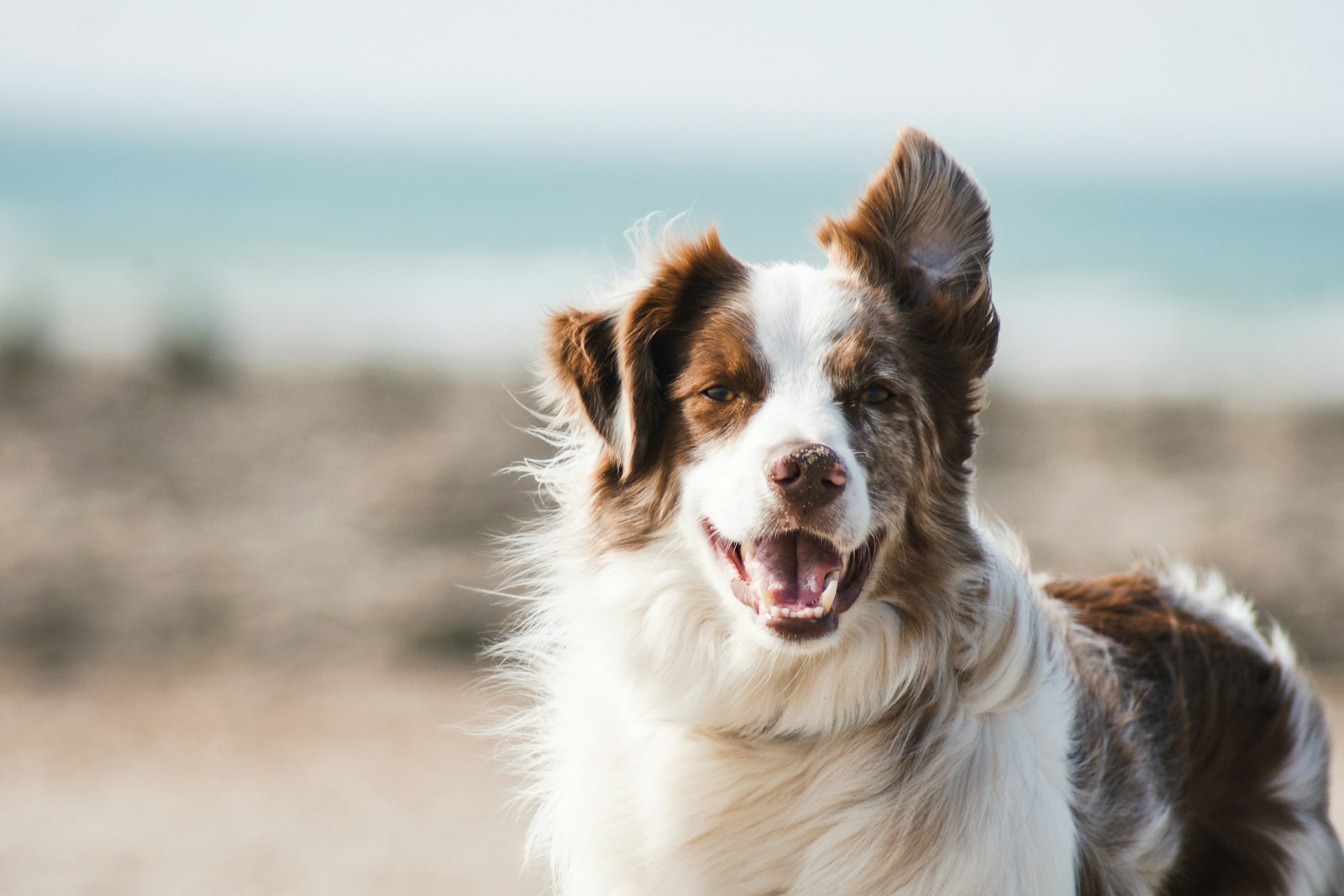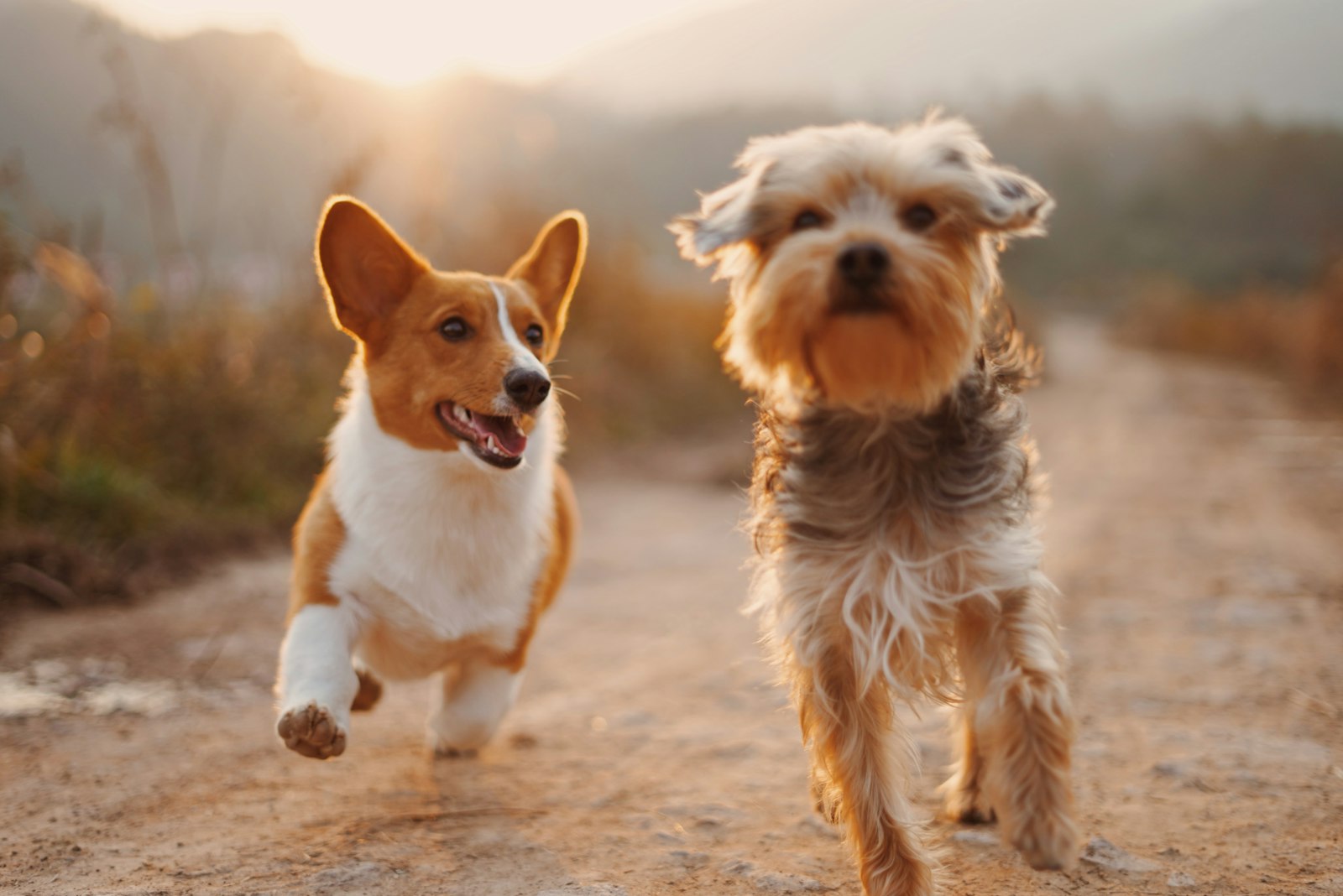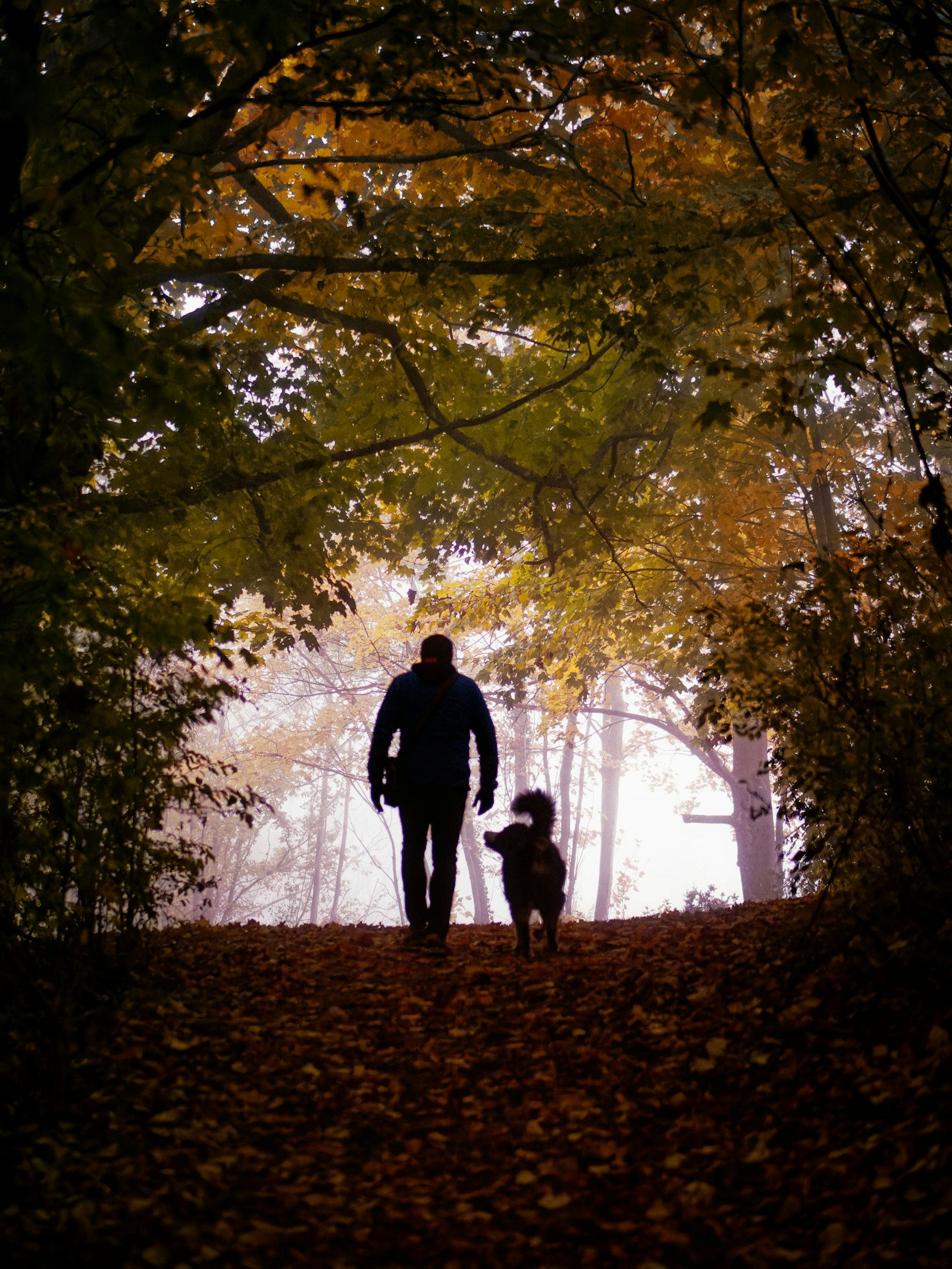
Fall is the best dog-walking weather Monmouth and Ocean County get all year — and it quietly trades summer's one big hazard, heat, for about eight smaller ones. Ticks peak a second time, mushrooms come up overnight, antifreeze hits the driveways, and the sun starts setting before most people get home. Here's what changes after Labor Day.
Every summer, dog owners here get very good at one rule: don't walk in the heat. Then September arrives, the humidity breaks, and the vigilance relaxes right along with it. That's the problem. Fall walks feel effortless, which is exactly why this season's hazards catch people off guard — most of them are down at ground level, and most of them weren't there in July.
Fall Dog Walking Hazards in NJ, in the Order They Arrive
1. Ticks Get Worse, Not Better
The most common misconception about fall in New Jersey is that tick season is over. It isn't — it's about to have its second peak. Adult blacklegged (deer) ticks become active in October and November and stay active on any day above roughly 40°F, which around here includes a good part of December. Adults are bigger and easier to spot than the summer nymphs, but there are a lot of them, and Monmouth County's wooded edges are prime habitat.
Keep the preventative going straight through winter and keep doing a tick check after every walk, especially after trails like Hartshorne Woods, Huber Woods, or Holmdel Park. We went deep on this in tick prevention for dogs in NJ; the short version is that fall is the worst possible time to stop.
2. Wild Mushrooms Appear Overnight
Cool nights plus fall rain equals mushrooms — in mulch beds, at the base of oaks, in the damp corner of a Middletown backyard that was bare grass yesterday. New Jersey has plenty of harmless ones. It also has Amanita species, including the destroying angel, that can cause fatal liver failure in a dog, sometimes after a deceptive day or two of apparent recovery.
Nobody should be identifying mushrooms by eye on a leash walk. Treat every wild mushroom as toxic: don't let your dog nose through them, knock down the ones that come up in your own yard, and if your dog eats one, photograph it and call your vet or the ASPCA Animal Poison Control Center right away. Don't wait for symptoms.
3. Acorns, Black Walnuts, and Cocoa Mulch
Oak country is acorn country, and Colts Neck and Holmdel are full of both. Acorns contain tannins that upset a dog's stomach, and a mouthful of them is a real intestinal blockage risk for a small dog. Black walnuts are worse: once they've sat on the ground long enough to mold, they can carry tremorgenic mycotoxins that cause tremors and seizures.
Cocoa bean mulch is the one nobody expects, because it's sold at every garden center for fall beds. It smells like chocolate to your dog for the honest reason that it is chocolate — it contains theobromine, the same compound that makes chocolate toxic. If a neighbor mulches with it, route around that yard.
4. Antifreeze Season Starts Early
The first cold snap sends people out to top off radiators, and ethylene glycol antifreeze starts showing up as bright green puddles in driveways and along curbs. It tastes sweet, dogs will drink it willingly, and it takes remarkably little to destroy a dog's kidneys. The early signs look like drunkenness — stumbling, disorientation, heavy thirst — and by the time those fade into what looks like recovery, the kidney damage is already underway.
The rule here is simple and absolute: no drinking from any puddle in a driveway, garage apron, or parking lot, and treat suspected antifreeze exposure as an emergency vet visit, not a wait-and-see.
5. You Lose the Light Faster Than You Think
Sunset along the shore runs about 7:25 PM in early September and 6:35 PM by the first of October. Then the clocks fall back on November 1 and it's dark just before 5 PM. The after-work walk that sat comfortably in daylight in August is a night walk by Halloween, and it shifts gradually enough that most people don't adjust for it until they're already out there in the dark.
Gear up before you need it: a reflective or LED collar, a light clipped to the leash, and something reflective on you, too. Drivers on roads like Navesink River Road or Ocean Avenue are not expecting a dark-coated dog at the shoulder. Stick to sidewalks where they exist and walk facing traffic where they don't.
6. Deer, Skunks, and the Rut
New Jersey's deer rut runs from October into December and peaks in early-to-mid November, which means deer that normally keep their distance start crossing roads and yards at odd hours with no caution at all. For a dog with any prey drive, a buck moving through a Rumson backyard at dusk is an invitation to bolt. This is the season when leashes get pulled out of hands.
Skunks are stocking up before winter, too, and they're most active at exactly the dusk hours you're now walking in. Keep the hydrogen peroxide, baking soda, and dish soap mix on hand — tomato juice is a myth that just leaves you with a pink dog that still smells.
7. Leaf Piles and Standing Water
Curbside leaf piles are far more interesting to your dog than they are to you, and they hide broken glass, sharp sticks, discarded food, and the occasional nesting animal. Wet leaves on a sloped sidewalk are also genuinely slippery — a bad landing is a real risk for a senior dog with arthritic hips.
Standing water is the quieter hazard. Puddles and stagnant water left over from fall rain can carry leptospirosis, a bacterial infection spread through the urine of raccoons, rats, and deer, and cases have been climbing in New Jersey. It's preventable with a vaccine that isn't always given by default, so ask your vet whether your dog should have it.
8. Your Dog Suddenly Has More Energy
This last one isn't a danger so much as a mismatch. After a summer of shortened, heat-limited walks, the first genuinely cool week makes your dog feel about three years younger. They want more, and they want it faster. Go straight from ten-minute August potty breaks to a hard 45-minute hike and you can strain a dog who just spent two months deconditioned, particularly an older one.
Build back up over a couple of weeks instead. Add time before you add pace, and let the dog set the speed for the first few outings.
The Short Fall Walk Checklist
- Keep the tick preventative going through winter, and check after every walk.
- Assume every wild mushroom is toxic and steer around it.
- Watch the ground for acorns, black walnuts, and cocoa mulch.
- No puddle drinking anywhere, but especially near driveways.
- Light up before you need to — reflective collar, leash light, something bright on you.
- Shorten the leash at dusk through the rut, and use a harness if your dog bolts.
- Rebuild mileage gradually after a heat-limited summer.
- Ask about the lepto vaccine if your dog drinks from anything outdoors.
When the Daylight Runs Out Before You Get Home
Summer's problem was timing around the heat. Fall's problem is timing around the dark. Once sunset moves ahead of the evening commute — and with Parkway traffic, that happens fast — the midday walk stops being a luxury and becomes the safest window in the day. A dog who gets out at 1 PM in real daylight isn't holding it for eleven hours and then going out at the shoulder of an unlit road in Brick or Toms River.
That's the practical case for a walker in the fall, and it's also where a solo walk earns its keep. Because every Happy Tails walk is one-on-one — your dog only, never a pack, the person on the other end of the leash is watching your dog and nothing else: what they just put their nose into, whether they're slipping on wet leaves, whether that movement at the treeline is about to become a problem. In a group of six dogs, nobody sees the mushroom.
Want your dog walked in real daylight all fall — solo, same walker every visit, across Monmouth & Ocean County, NJ? Book a Meet & Greet.