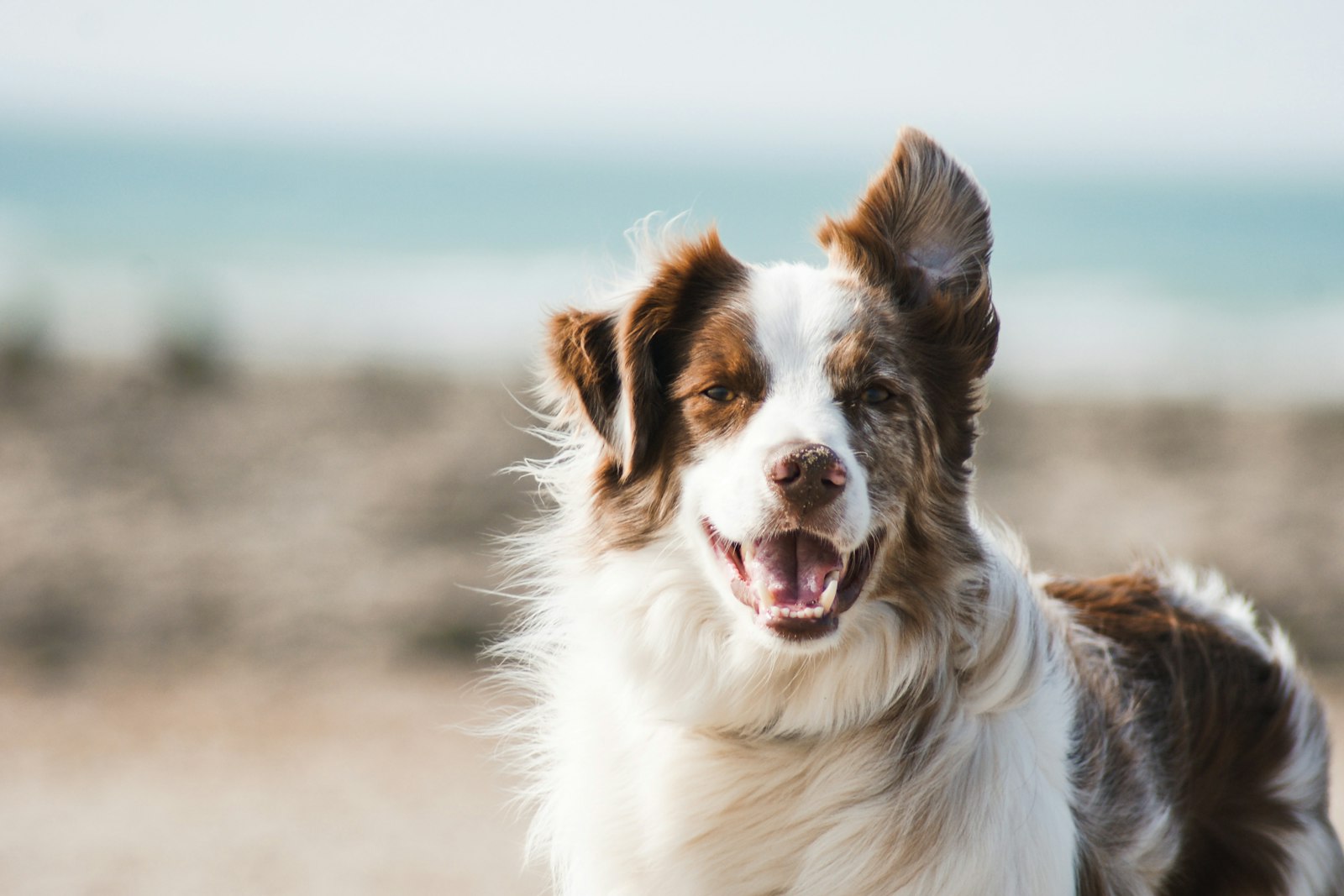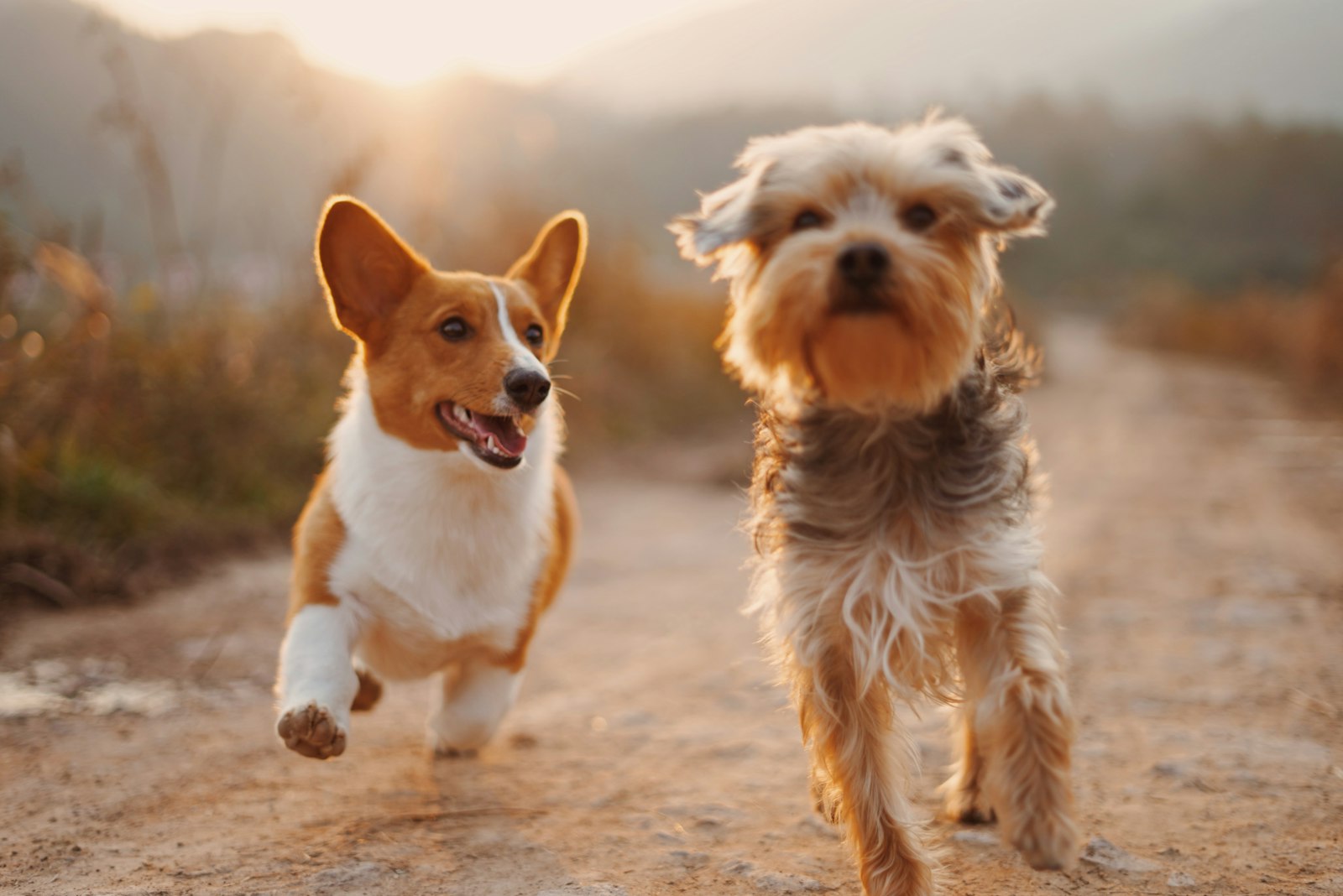
For most healthy, medium-to-large dogs, walks stay safe down to about 20°F, with normal length and a little common sense. Below that, shorten them. Small, short-coated, senior, and very young dogs hit their limit much sooner, often around 32°F. And on the Jersey Shore, wind chill and road salt matter as much as the number on the thermometer. Here's how to tell what your dog can handle this winter.
Winters in Monmouth and Ocean County aren't Minnesota, but they're not mild either. January mornings in Holmdel and Colts Neck regularly sit in the low 20s, a nor'easter can drop several inches of snow on Toms River and Brick, and the wind coming off the Navesink, the Shrewsbury, and Barnegat Bay can make a 30-degree afternoon in Red Bank or Rumson feel like 18. The dogs still need to go out. The question is how long, and with what.
A Simple Cold-Weather Guide
Vets and canine safety groups use rough temperature bands like these. Treat them as a starting point, and use the "feels like" temperature rather than the plain reading when it's windy:
- Above 45°F: Comfortable for nearly every dog.
- 32–45°F: Fine for most dogs. Small, thin-coated, and senior dogs may want a sweater.
- 20–32°F: Use judgment. Big, double-coated dogs are usually happy; small and short-haired dogs need a coat and a shorter walk.
- 10–20°F: Shorten every walk. Ten to twenty minutes for most dogs, potty breaks only for small or vulnerable ones.
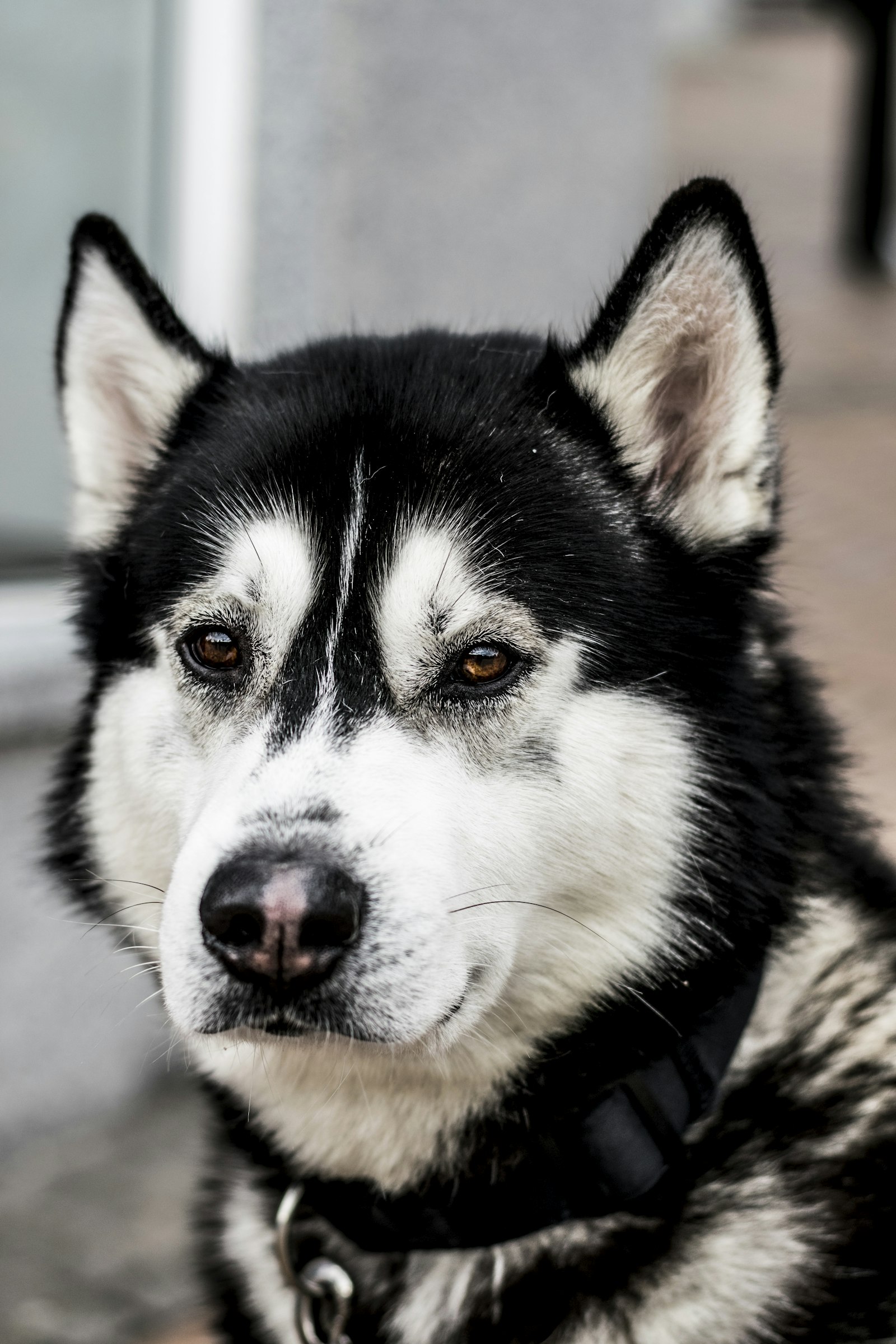
- Below 10°F: Quick bathroom trips for nearly everyone. Huskies and Malamutes are the exception, not the rule.
We wrote the summer version of this in how hot is too hot to walk your dog. Cold is more forgiving than heat, but the principle is the same: the scale tells you where to start, and your dog tells you where to stop.
Which Dogs Get Cold Fastest
Two dogs on the same block in Middletown can have very different limits. Take extra care with:
- Small and toy breeds. Chihuahuas, Yorkies, and Maltese lose heat fast and sit close to the frozen ground.
- Short, single-coated breeds. Greyhounds, Whippets, Boxers, Pit Bulls, Dobermans, and Frenchies have little insulation. A coat isn't a fashion choice for them.
- Seniors. Older dogs regulate temperature less well, and cold stiffens arthritic joints. Our guide to walking a senior dog covers pacing.
- Puppies. Young dogs can't hold body heat like adults. Short, frequent trips beat one long one. See how often to walk a puppy.
- Lean dogs and dogs with health conditions. Thyroid, heart, kidney, and diabetic dogs often struggle with cold. Ask your vet what's safe.
- Freshly groomed dogs. A short winter clip on a doodle takes away the insulation they'd normally have.
Wind Chill and Wet Cold Are the Real Risk
A dry, still 25°F day is often easier on a dog than a raw, windy 35°F one with sleet. Wind strips warmth from a coat, and a wet dog loses heat many times faster than a dry one. Near the water, in Sea Bright, Long Branch, Point Pleasant, or along the bay in Toms River, it's usually windier and damper than it is ten minutes inland. On those days, pick sheltered routes. Wooded trails like Hartshorne Woods or Holmdel Park block a lot of the wind compared to an open beachfront street.
If your dog comes in soaked from rain, snow, or a puddle, towel them off right away, especially the belly, legs, and paws. If you're wondering whether walks still happen in that weather, here's what we do on rainy days.
Paws, Road Salt, and Antifreeze
On the Shore, the bigger winter danger is often under your dog's feet. Towns and homeowners salt every sidewalk and driveway, and rock salt cracks paw pads, burns between the toes, and makes dogs sick when they lick it off later.
- Wipe paws after every walk. A damp cloth or a bowl of warm water by the door takes thirty seconds.
- Try paw balm or booties. A wax-based balm before the walk gives a light barrier. Booties work better if your dog will tolerate them; practice indoors first.
- Trim the fur between the pads. Long fur collects ice balls that hurt to walk on.
- Use pet-safe ice melt at home. You can't control your neighbor's driveway, but you can control yours.
- Watch for antifreeze. It tastes sweet and is deadly in small amounts. Steer your dog away from puddles in driveways and parking lots, and call your vet or an emergency clinic immediately if you think they licked any.
Signs Your Dog Is Too Cold
Your dog will tell you before the thermometer does. Head home if you see:
- Shivering that doesn't stop once you're moving
- Lifting paws, limping, or refusing to keep walking
- Hunching, tucking the tail, or turning back toward home
- Whining or seeking shelter against you
- Slowing down noticeably or seeming confused
Pale or gray skin on the ears, tail tip, or paws can be frostbite, and lethargy with weakness and slow breathing can be hypothermia. Both are emergencies. Warm your dog gradually with blankets (not a heating pad or hot water) and call your vet on the way.
How to Walk Safely Through a Shore Winter
- Walk in the warmest part of the day. Late morning to early afternoon is usually 10 to 15 degrees warmer than the 6:30 AM walk, and it's in daylight.
- Go shorter and more often. Two fifteen-minute walks beat one cold half hour.
- Dress the dogs who need it. A fitted, water-resistant coat that covers the chest and belly does far more than a loose sweater.
- Keep the leash on near ice. Frozen ponds and icy edges along the rivers look solid and aren't. More dogs go missing in snow, too, because it covers familiar scents.
- Make up the exercise inside. Food puzzles, sniff games, and short training sessions burn energy on the days you can't do much outside.
When Winter Collides With Your Workday
The warmest, brightest part of a winter day is right in the middle of it, which is exactly when most people are at work. That's where a midday walk helps: your dog gets out at 12:30 when it's 34°F and sunny instead of at 6 PM when it's 24°F and dark. A 30-minute solo walk with Happy Tails is $30 and a 60-minute walk is $50, and on the coldest days we'll shorten the walk and spend the extra minutes indoors with your dog rather than pushing them through the wind. Full rates are on our pricing page.
Every Happy Tails walk is solo, one-on-one, your dog only, never a pack. That matters more in winter than any other season. Your dog sets the pace, the route can change the moment they start lifting a paw, and nobody is waiting on five other dogs before heading home. Same walker every visit, paws wiped at the door, and a photo update after every walk, from Red Bank, Rumson, and Holmdel to Middletown, Colts Neck, Brick, and Toms River.
Want your dog walked in the warmest part of the day all winter, solo, by the same walker every visit, across Monmouth & Ocean County, NJ? Book a Meet & Greet.