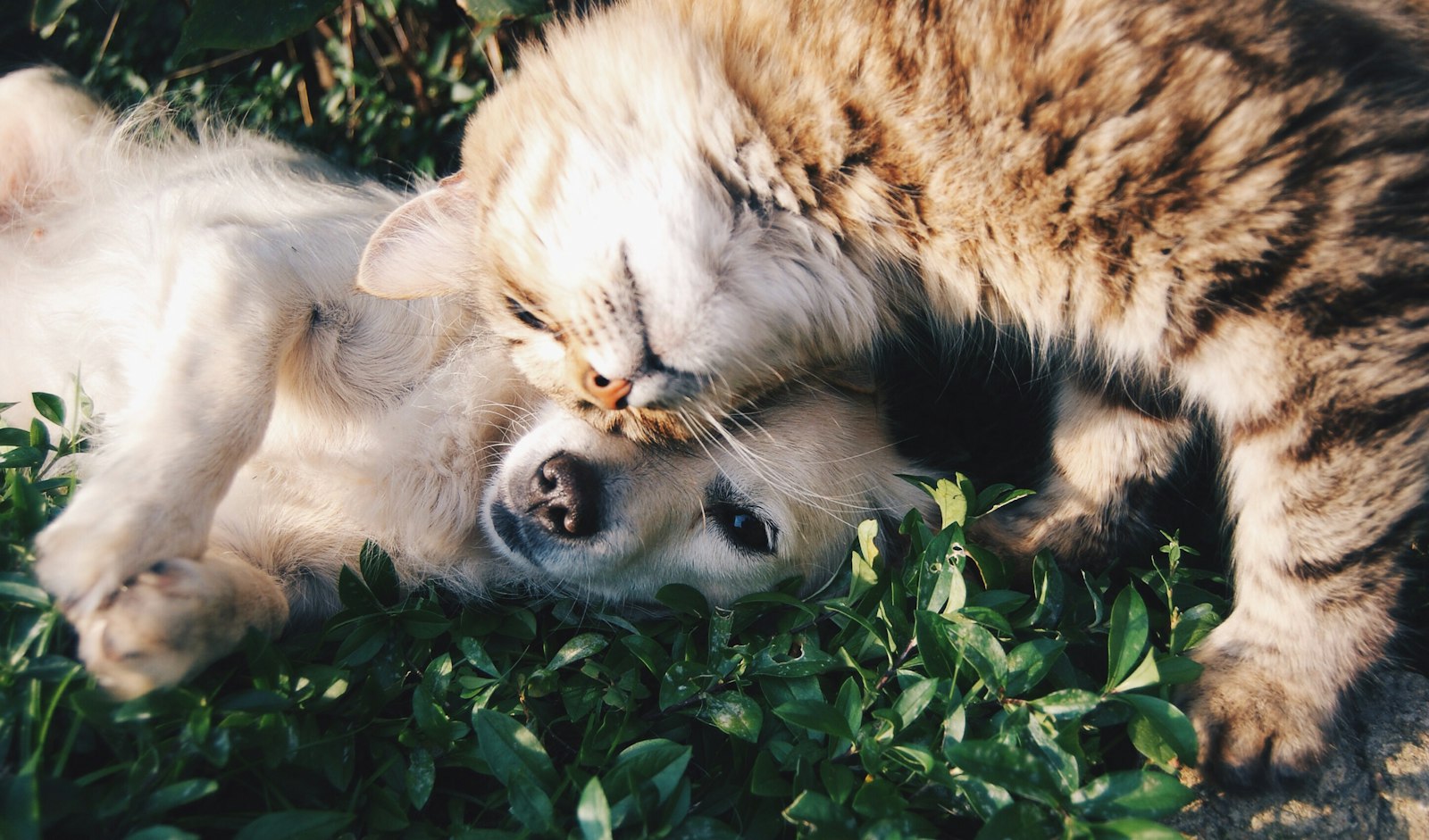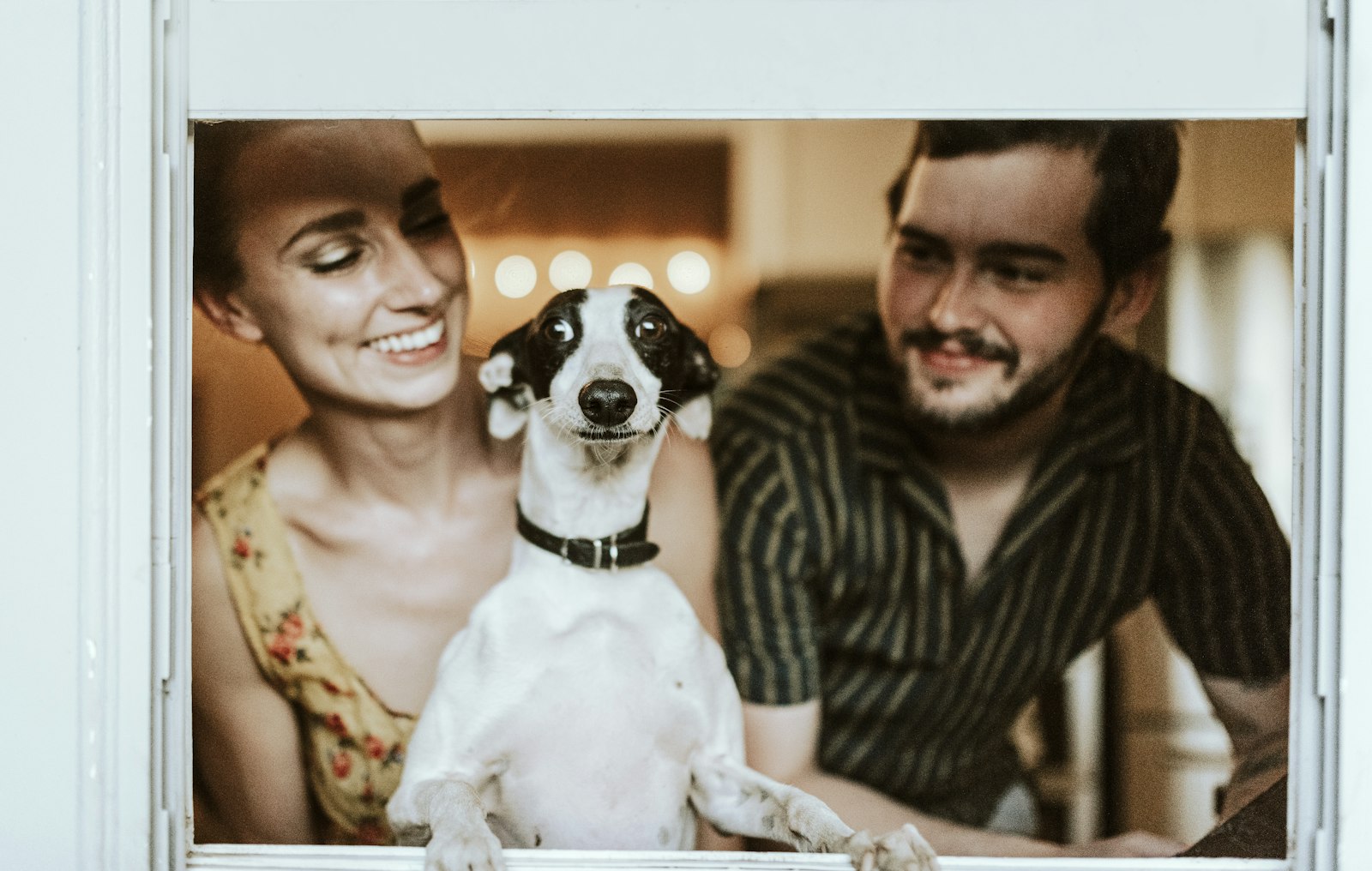
The honest answer to doggy daycare vs. a dog walker has almost nothing to do with price and almost everything to do with one question: does your dog genuinely enjoy other dogs, or do they merely tolerate them? Daycare is eight hours of other dogs. A walker is thirty focused minutes and a quiet house. Both are good products. They are not built for the same dog.
We get this question at nearly every meet and greet around Middletown, Holmdel, and Toms River. Somebody has a ten-hour workday, a dog who is clearly bored by 2 p.m., and two tabs open comparing a daycare facility to a walking service. Here is the comparison we would give a friend, including the parts where daycare wins.
What a Day at Doggy Daycare Actually Looks Like
Most facilities in Monmouth and Ocean County run a similar shape of day. Drop-off is between 7 and 9 a.m. Dogs are sorted into playrooms, usually by size and sometimes by play style, and spend the morning in a group of anywhere from eight to twenty-five dogs with one or two attendants supervising. Midday there is a rest block — crates or individual runs, typically one to three hours. Then a second play session, then pickup by 6 p.m.
So a "full day" is roughly six to ten hours away from home, of which the actual play time is usually three to five. The rest is transitions, rest blocks, and waiting. That is not a criticism; dogs genuinely need the downtime. It is just worth knowing what you are buying, because the mental picture most people have is eight hours of romping in a yard.
What a Dog Walker's Day Looks Like
A walker comes to your house once or twice while you are gone. Your dog stays in their own home, on their own bed, with their own smells and their own water bowl. Somewhere in the middle of the day the door opens, they go out for thirty or sixty minutes — sniffing, walking, a bathroom break, some training if that is part of the plan — and then they settle back in.
The total care window is short. The total disruption to your dog's day is also short, which for a lot of dogs is exactly the point. We wrote about how long a dog can reasonably be left between visits in how long you can leave a dog home alone.
The Cost Math in Monmouth & Ocean County
Local rates as of this fall run roughly:
- Full-day daycare: $40–$55 per day, less with a 10- or 20-day package
- Half-day daycare: $28–$38
- Solo 30-minute walk: $25–$35 (ours is $30)
- Solo 60-minute walk: $45–$65
At five days a week, that is about $200–$275 a week for daycare against roughly $150 for a daily solo walk. Daycare packages narrow the gap, and if you need eleven hours of coverage rather than a midday break, daycare is frequently the better value per hour. We broke the walking numbers down fully in what dog walking costs in Monmouth County.
But price is the least interesting part of this decision, because the two services solve different problems. Paying for the wrong one is expensive at any rate.
Dogs Who Genuinely Do Better at Daycare
Daycare is not a compromise option. For a specific dog it is the best thing available, and we refer people to it:
- Young, high-drive dogs — the eighteen-month shepherd, boxer, or doodle who is under-exercised by any leash walk you could reasonably buy.
- Truly dog-social dogs who seek out other dogs, play well, and come home content rather than wired.
- Dogs who cannot be alone that long — if you are gone eleven hours and your dog is destructive or panicking by hour six, one midday visit is not enough coverage.
- Dogs who are bored, not anxious. Boredom responds well to stimulation. Anxiety usually does not.
If your dog fits that list, book the daycare and do not feel bad about it. A tired, happy, well-supervised dog is the goal, and there is more than one road there.
Dogs Who Do Better With a Walker
- Seniors. A group room is loud, slippery, and relentless. Older dogs need to set their own pace — see walking a senior dog.
- Reactive or anxious dogs. Sustained proximity with no escape route is close to the worst environment you can pick. More in finding a walker for a reactive dog.
- Puppies under about six months, whose vaccine series is incomplete and whose needs run short and frequent rather than long and hard — see how often to walk a puppy.
- Small dogs who would be grouped with much larger ones, where ordinary rough play carries real injury risk.
- Dogs on medication or activity restriction, or anyone recovering from surgery.
- Dogs who tolerate other dogs rather than enjoy them. This is the big one, and it gets misread constantly.
Tired Is Not the Same as Fulfilled
The most common daycare mistake we see is reading exhaustion as success. A dog can come home flattened from a day of managing noise, arousal, and strange dogs — and that looks identical, from the couch, to a dog who had a great time. The tells are what happens on the other side: a short fuse in the evening, barking at things that never used to matter, a dog who cannot settle, or one who crashes hard all weekend to recover.
A decompression walk does something different. Sniffing is the main event for a dog mentally, and a solo walk is thirty minutes of it at their own speed. It lowers arousal instead of raising it. Some dogs need both. Many dogs only need the second.
The Shutdown Dog
Plenty of dogs get reported as doing fine at daycare when what they are actually doing is hiding at the edge of the room, staying near the attendant, or freezing. Quiet reads as fine. Ask your facility directly: what does my dog do during a play session? A good one will tell you honestly, and some will tell you your dog is not enjoying it. That is a facility worth trusting.
The Illness and Injury Math
Kennel cough, canine influenza, giardia, and the occasional fleas move through a daycare room the way they move through a preschool. Facilities that verify vaccines and clean seriously cut the risk down a lot, but they cannot take it to zero — and on a solo walk it is zero. Same with scuffles: most daycare injuries are minor, but the number of dog-to-dog pairings in a twenty-dog room is enormous. Whichever you choose, confirm they carry real coverage — see what insured and bonded actually means.
Questions to Ask a Daycare Before You Book
- What is your staff-to-dog ratio in each playroom, all day — not just at drop-off?
- How do you group dogs? By size, by play style, or by whoever is in the building?
- What does your temperament test involve, and how long is it?
- Is there a scheduled rest block, and how long?
- Are your staff trained in dog body language, and what do they do when a dog gets over-aroused?
- What is your injury protocol, and which emergency vet do you use?
- What vaccines do you require, and do you verify the records?
- Can I watch a play session, in person or on camera?
Vague answers to any of those are themselves the answer. The same principle applies to hiring a walker — our checklist is in how to choose a dog walker in Monmouth County.
The Hybrid Most People Land On
You do not have to pick one forever. A pattern we see work well across Red Bank, Rumson, and Colts Neck: two days of daycare for the social outlet and the hard exercise, three days of a solo midday walk for the quiet and the routine. The dog gets play without living in a state of permanent arousal, and the weekly cost lands between the two. For travel, that stacks with overnight care — we compared those options in dog walking vs. dog boarding.
Where Happy Tails Fits
We do not run a facility and we do not run groups. Every Happy Tails visit is one-on-one — your dog only, never a pack, in your own home, with the same walker every time. That is why the dogs who come to us are so often the ones daycare did not suit: the anxious ones, the seniors, the small ones, the recovering ones, and the ones who simply prefer their own company. Our reasoning on group settings generally is in pack walks vs. solo walks.
If your dog is a daycare dog, go be a daycare dog — genuinely. If you are not sure which one yours is, that uncertainty is usually worth listening to, and a solo walk is the lower-risk place to start.
Not sure whether your dog wants a playroom or a quiet walk around the block? We will tell you honestly. Happy Tails offers solo, one-on-one dog walking and pet care across Monmouth & Ocean County, NJ — same walker every visit, photo update every time. Book a Meet & Greet.