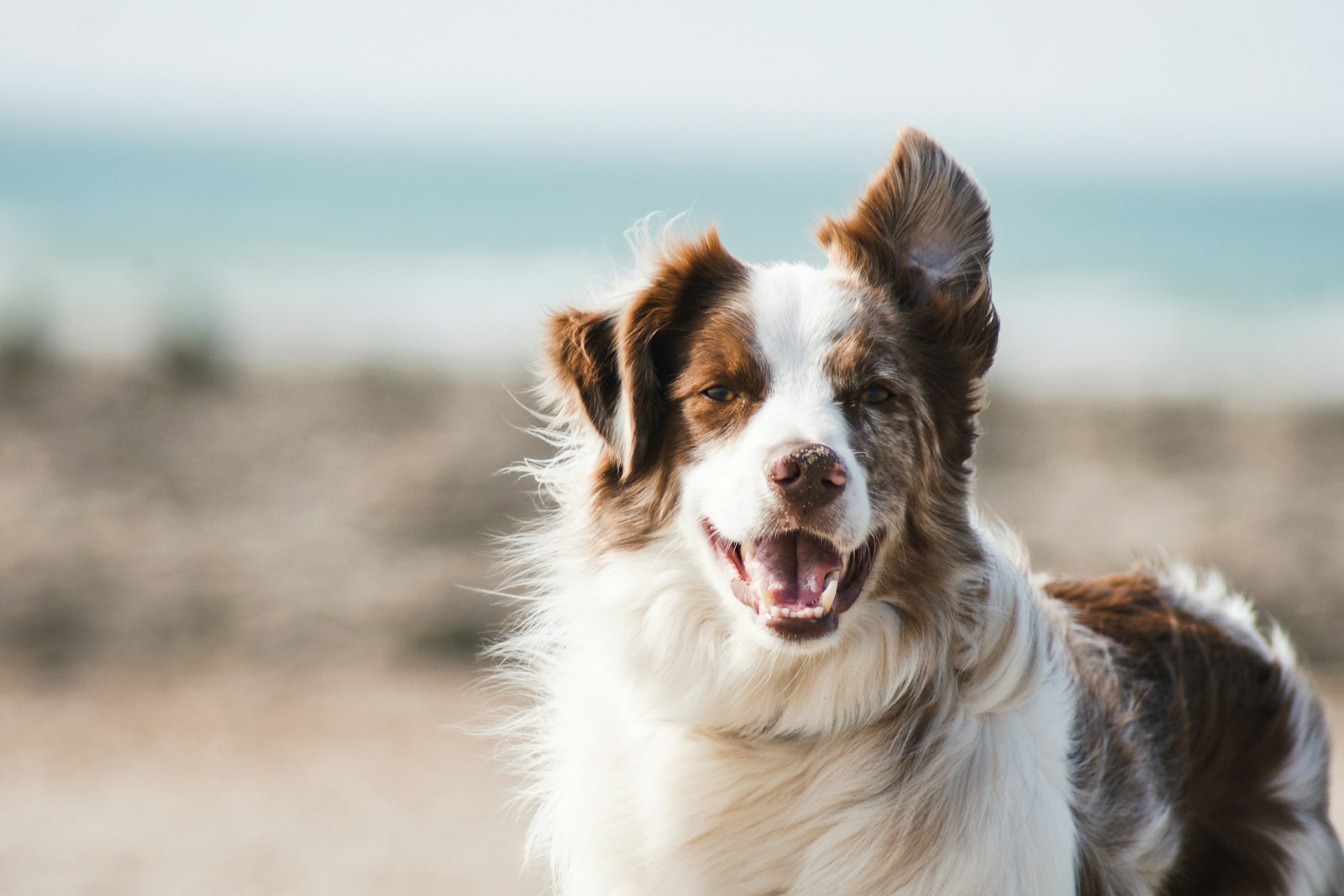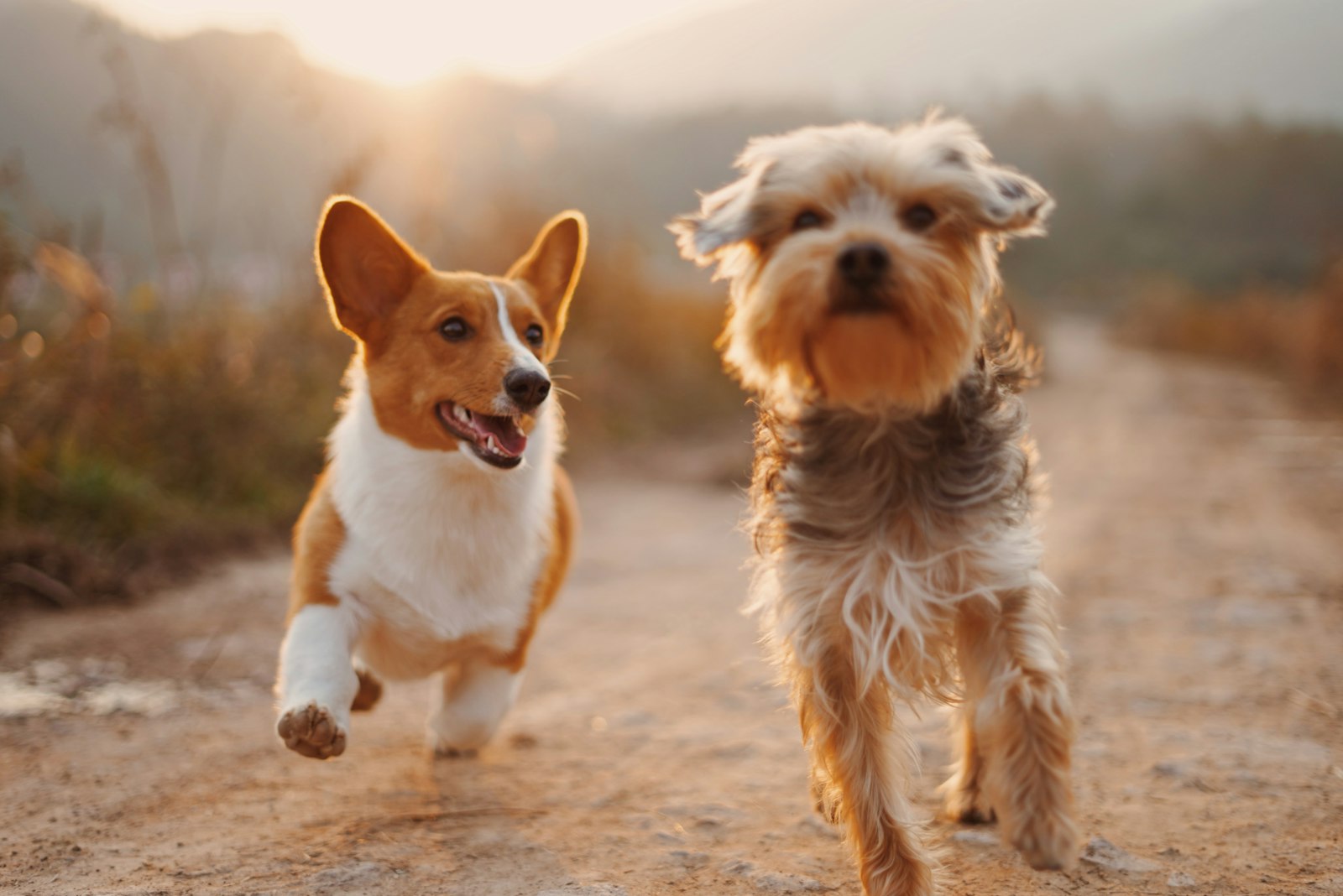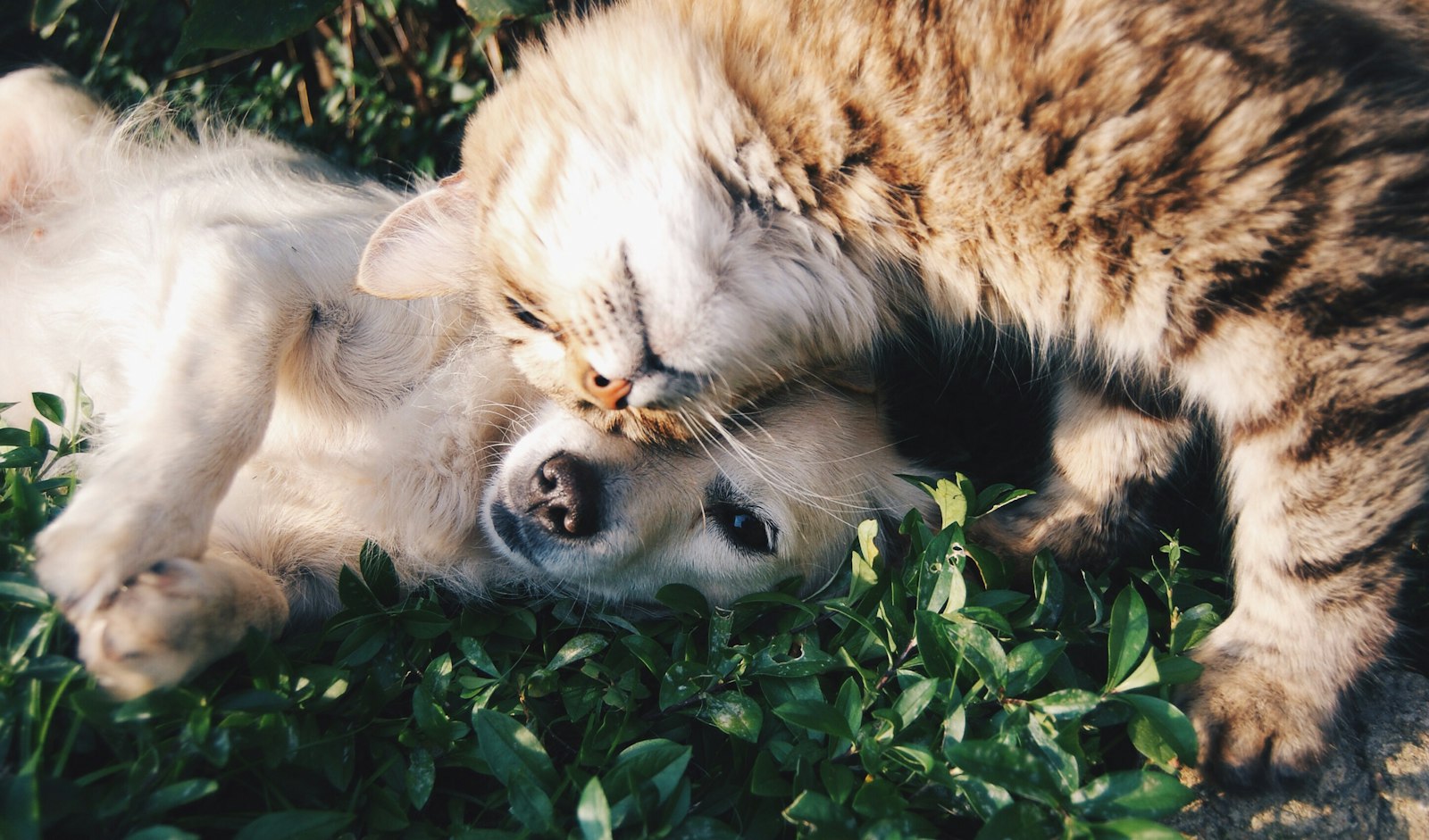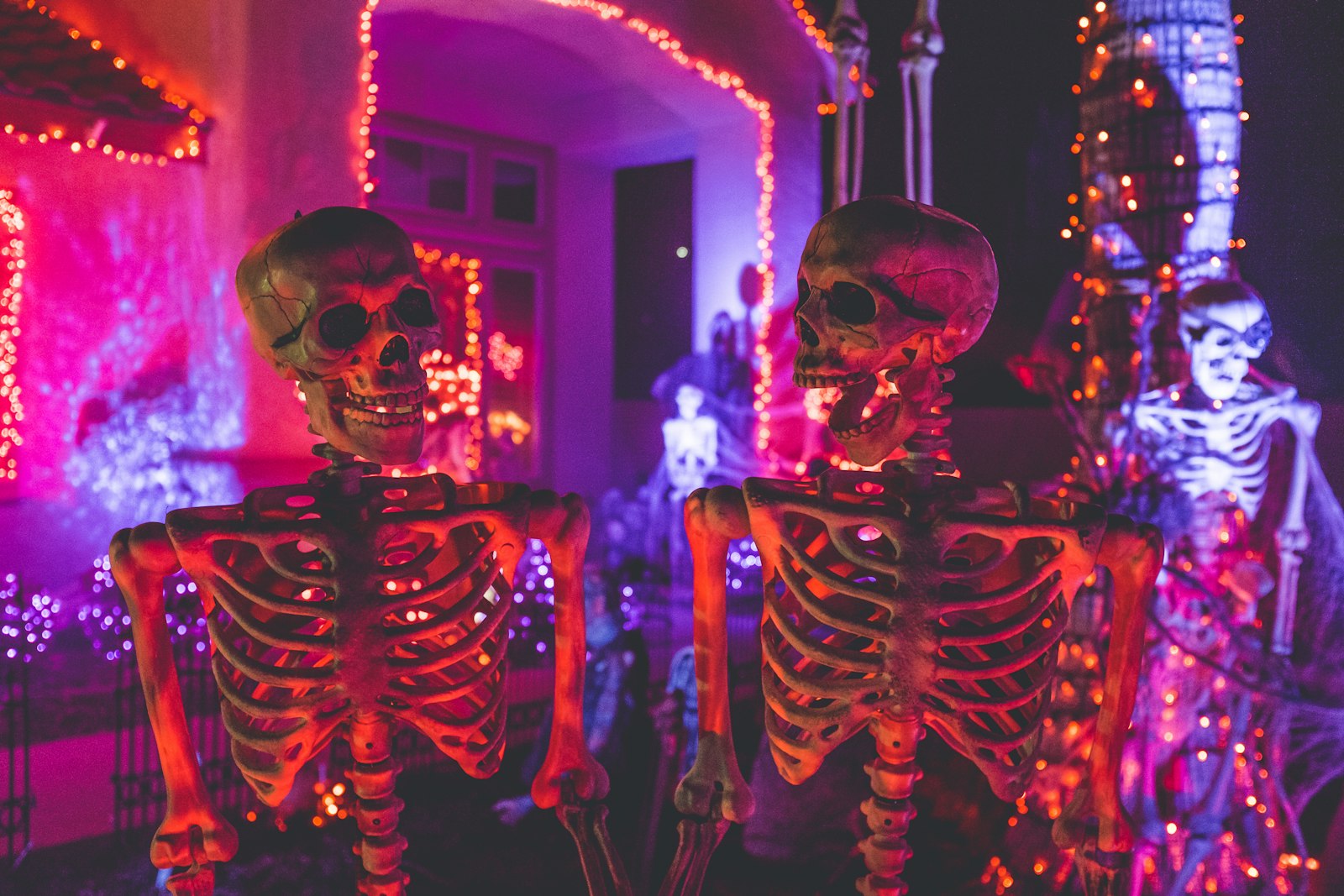
Halloween is one of the busiest nights of the year for emergency vets and lost-dog posts in Monmouth and Ocean County, and almost none of it comes from anything spooky. It is a bowl of candy at nose height, a front door that opens eighty times in three hours, a costume that seemed funny in the store, and a walk that starts after dark in a neighborhood full of strangers in masks. Every one of those is fixable with about ten minutes of planning.
This year Halloween lands on a Saturday, which in towns like Middletown, Holmdel, and Brick means trick-or-treating that starts in the afternoon and runs well past dark, plus parties, plus the Toms River Halloween Parade pulling crowds across Ocean County. Here is what actually hurts dogs on October 31, in rough order of how often it happens, and what to do about each one.
1. The Candy Bowl
Candy is the number one Halloween problem, and the risk is not evenly spread across the bowl. Some of it is a stomachache. Some of it is an emergency.
Chocolate
Chocolate contains theobromine, which dogs process far more slowly than we do. The darker the chocolate, the more of it there is: a few milk chocolate fun-size bars in a Lab is usually vomiting and a restless night, but baking chocolate or dark chocolate in a small dog can cause a racing heart, tremors, and seizures. Signs typically show up within a few hours. If your dog got into chocolate, note the type, the rough amount, and your dog's weight — that is the first thing anyone on the phone will ask you.
Sugar-free candy and gum (xylitol)
This is the one that deserves the most respect. Xylitol, a sweetener in a lot of sugar-free gum, mints, and some candies, can drop a dog's blood sugar dangerously within half an hour and, at higher doses, damage the liver. A handful of sugar-free gum from a kid's pillowcase is a call-your-vet-right-now situation, not a wait-and-see one. Check labels on anything sugar-free that comes into the house.
Raisins and wrappers
Those little boxes of raisins that some houses still hand out are a genuine risk — grapes and raisins can cause kidney injury in dogs, and there is no reliably "safe" amount. And a dog who eats a dozen candies usually eats a dozen wrappers too. Foil and plastic can cause a blockage, especially in smaller dogs. Watch for repeated vomiting, a tight belly, or straining without results over the next day or two.
The fix: the candy bowl lives on a counter or shelf, never on a low table or the porch step, and kids' haul gets sorted somewhere the dog is not. Most Halloween candy emergencies happen the morning after, when a bag gets left on the floor of a bedroom.
2. The Doorbell and the Open Door
For a lot of dogs, Halloween is the most stressful night of the year for one simple reason: the doorbell rings constantly, and every time it does, a stranger in a mask is standing there. For an anxious or territorial dog, that is three hours of alarm with no break. For a friendly dog, it is three hours of opportunities to slip out.
More dogs go missing from the front door than from walks, and Halloween is one of the worst nights for it — storm doors left open, kids running in and out, a dog who bolts after a group of trick-or-treaters and is three streets away in the dark before anyone notices. We covered what to do if that happens in our guide to finding a lost dog in Monmouth and Ocean County, but prevention is much easier:
- Set your dog up in a back room with a closed door, a long-lasting chew, and a fan or TV for background noise before the first knock. Out of sight is out of mind for most dogs.
- Use a crate or baby gate between the dog and the entryway if a closed room is not an option.
- Check that ID tags and microchip info are current. If your dog does get out, a tag with your cell number is what gets them home the same night.
- Consider sitting outside on the porch with the bowl so the doorbell never rings at all. Plenty of households in Red Bank and Rumson do exactly this.
If you have a dog who struggles with strangers or sudden noise, this is the night to lean fully into management rather than training. Our post on reactive and anxious dogs gets into how we approach those dogs day to day.
3. Costumes
Some dogs genuinely do not mind a costume. Many tolerate it only because they are frozen and uncomfortable, which looks a lot like "being good" in a photo. A few rules:
- Try it on days ahead, for a few minutes, with treats. If your dog freezes, tucks their tail, licks their lips, or keeps trying to back out of it, that is your answer.
- Nothing over the face, eyes, or ears, and nothing that restricts breathing, barking, or panting.
- No small chewable pieces — buttons, bells, and elastic are easy to swallow.
- Never leave a costumed dog unsupervised, and take it off after the photo. A festive bandana gets you ninety percent of the effect with none of the risk.
4. Walking After Dark on Halloween
Sunset on October 31 is before 6 p.m. at the Jersey Shore, so the evening walk will almost certainly be in the dark, in the middle of peak trick-or-treating. Streets are crowded, drivers are distracted, kids are running between houses, and your dog is seeing inflatable spiders, fog machines, and people in masks all at once. Our fall walking hazards guide covers the general shift to darker walks; on Halloween specifically:
- Walk early. Get a real walk in during the afternoon, before trick-or-treating starts. A tired dog handles the evening far better.
- Keep the evening outing short — a quick bathroom break close to home, not a loop through the busiest blocks.
- Use a fixed-length leash, not a retractable, and a well-fitted harness your dog cannot back out of.
- Add light. A clip-on LED or reflective collar makes you visible to drivers who are watching for kids, not dogs.
- Watch the ground. Dropped candy and wrappers are all over the sidewalks that night and the next morning.
5. Decorations and Jack-o'-Lanterns
Lit candles in pumpkins are a knocked-over-by-a-wagging-tail problem, so battery candles are the easy swap for any pumpkin at dog height. Glow sticks are not usually seriously toxic, but the liquid tastes awful and a dog who bites one will drool and panic — keep them out of reach. Cords to inflatables and light displays are chewing hazards for puppies. And a plain pumpkin is fine as a dog snack in small amounts; a carved one that has been sitting on the porch for a week and is growing mold is not.
If Something Goes Wrong
Before Halloween night, do two things: look up the closest 24-hour emergency vet to your home and save the number in your phone, and save the ASPCA Animal Poison Control Center number, (888) 426-4435 (a consultation fee may apply). If your dog eats something questionable, call first — do not try to make them vomit on your own unless a vet tells you to.
Where a Walker Helps
If you are at a party, taking kids around the neighborhood, or working late on a Saturday, the dog is often the one left home alone through the loudest part of the night. A late-afternoon visit gets them a real walk before the chaos starts, a bathroom break, and a calm setup in their quiet room — and you get a photo and a note that says it went fine. If you are wondering how long is reasonable to leave your dog on a night like this, our guide to how long a dog can be left home alone has the numbers.
Every Happy Tails visit is solo — your dog only, never a pack, with the same walker every time. On a night full of strangers and noise, that matters: your dog gets someone they already know, walking only them, paying attention to the things a group walk would never catch — the dropped candy bar under a hedge, the dog two houses down in a costume, the moment your dog starts to look overwhelmed.
The Halloween Checklist
- Candy bowl up high; kids' candy sorted away from the dog.
- Know the sugar-free (xylitol) and raisin risks.
- Dog in a quiet back room or behind a gate before trick-or-treating starts.
- ID tags and microchip details current.
- Costume tested in advance — or skip it.
- Long walk in the afternoon, short leashed break after dark.
- Battery candles in any pumpkin at dog height.
- Emergency vet and poison control numbers saved in your phone.
Out for the night on Halloween, or just want your dog walked before the doorbell starts? Happy Tails provides solo, one-on-one dog walking and pet care across Monmouth & Ocean County, NJ — same walker every visit, photo update every time. Book a Meet & Greet.